THE REGION, UP CLOSE
A landscape with more than one story.
Our regional lens: Baxter, Boone, Carroll, Fulton and Marion counties in Arkansas; Barry, Ozark, Stone and Taney counties in Missouri.
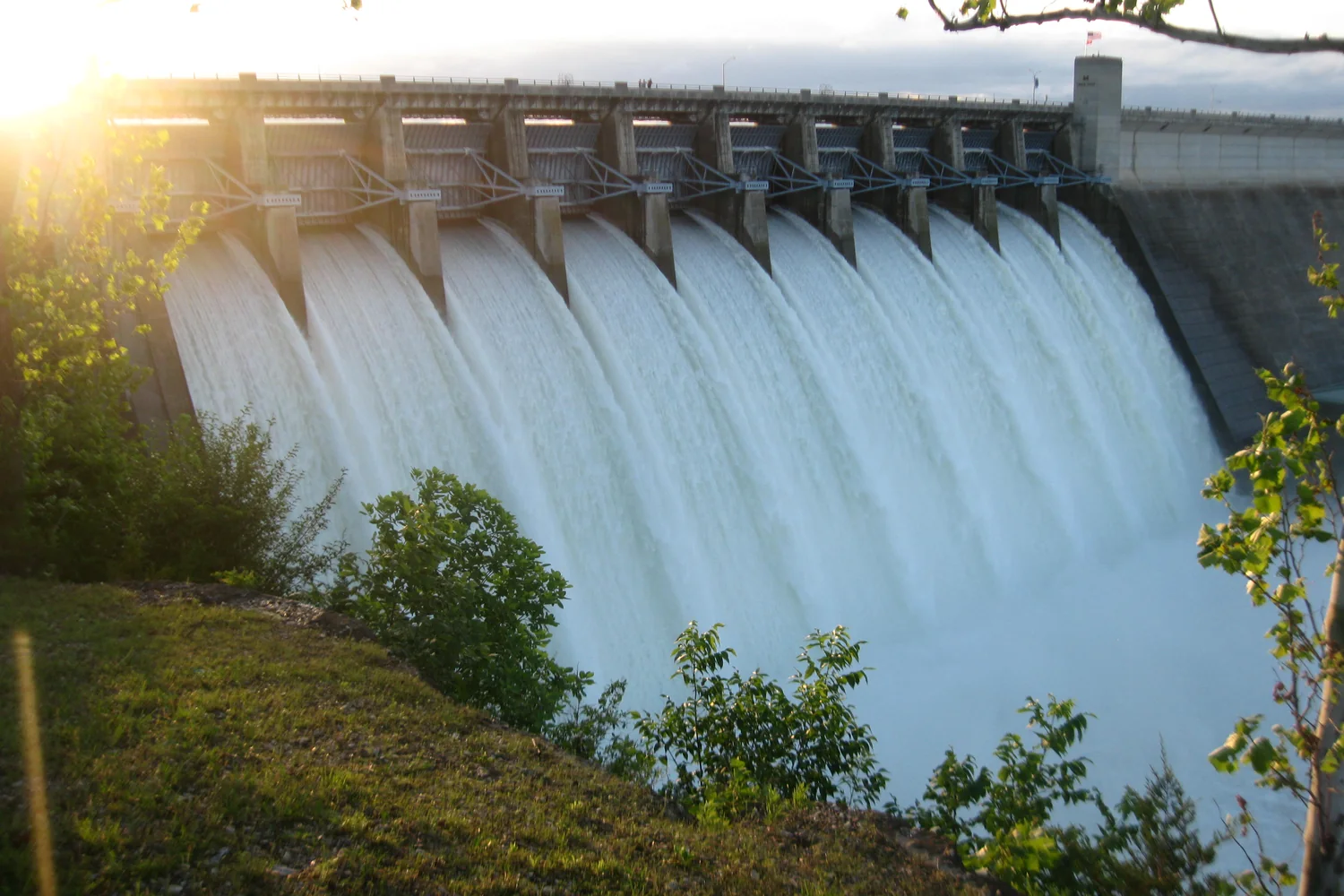
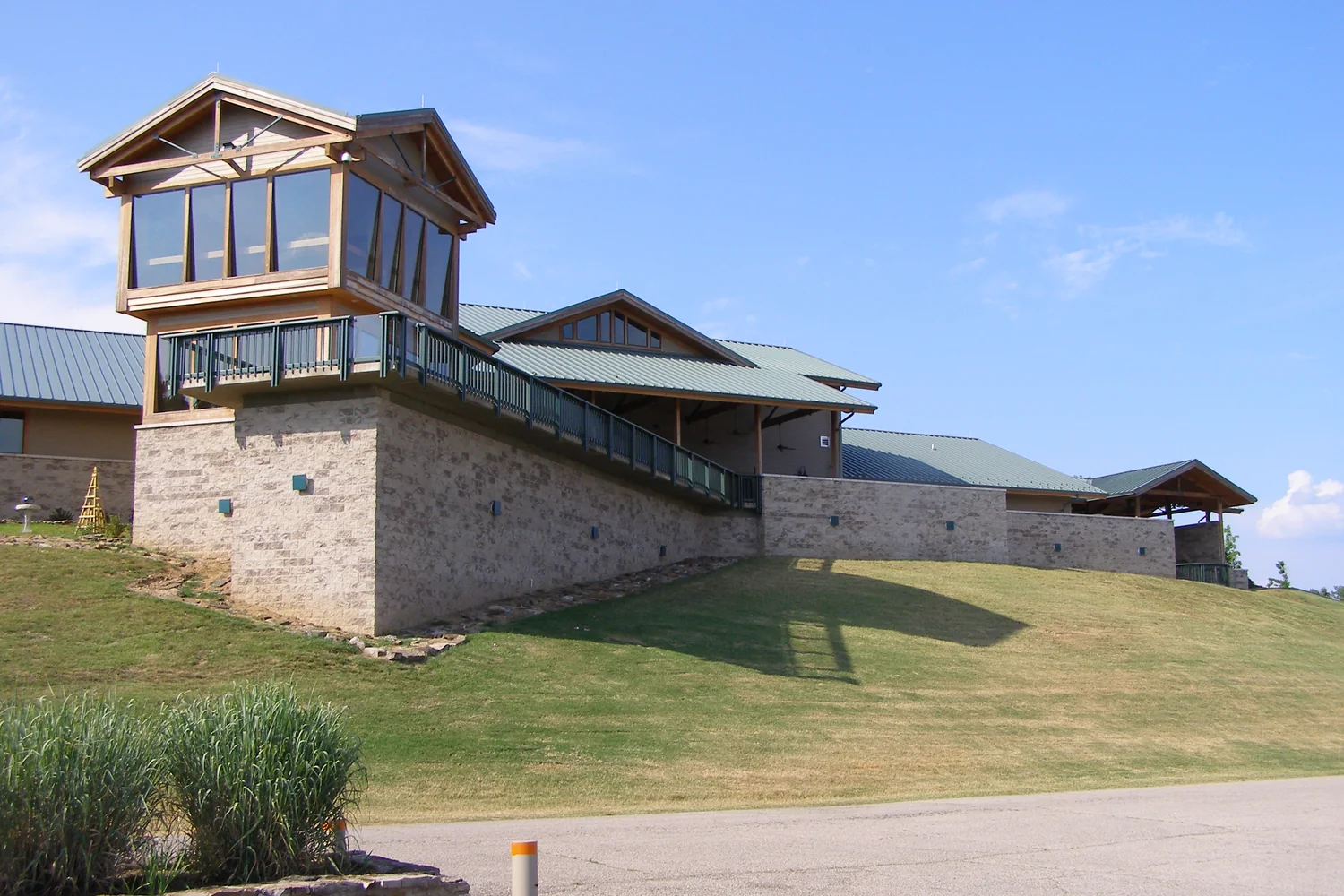
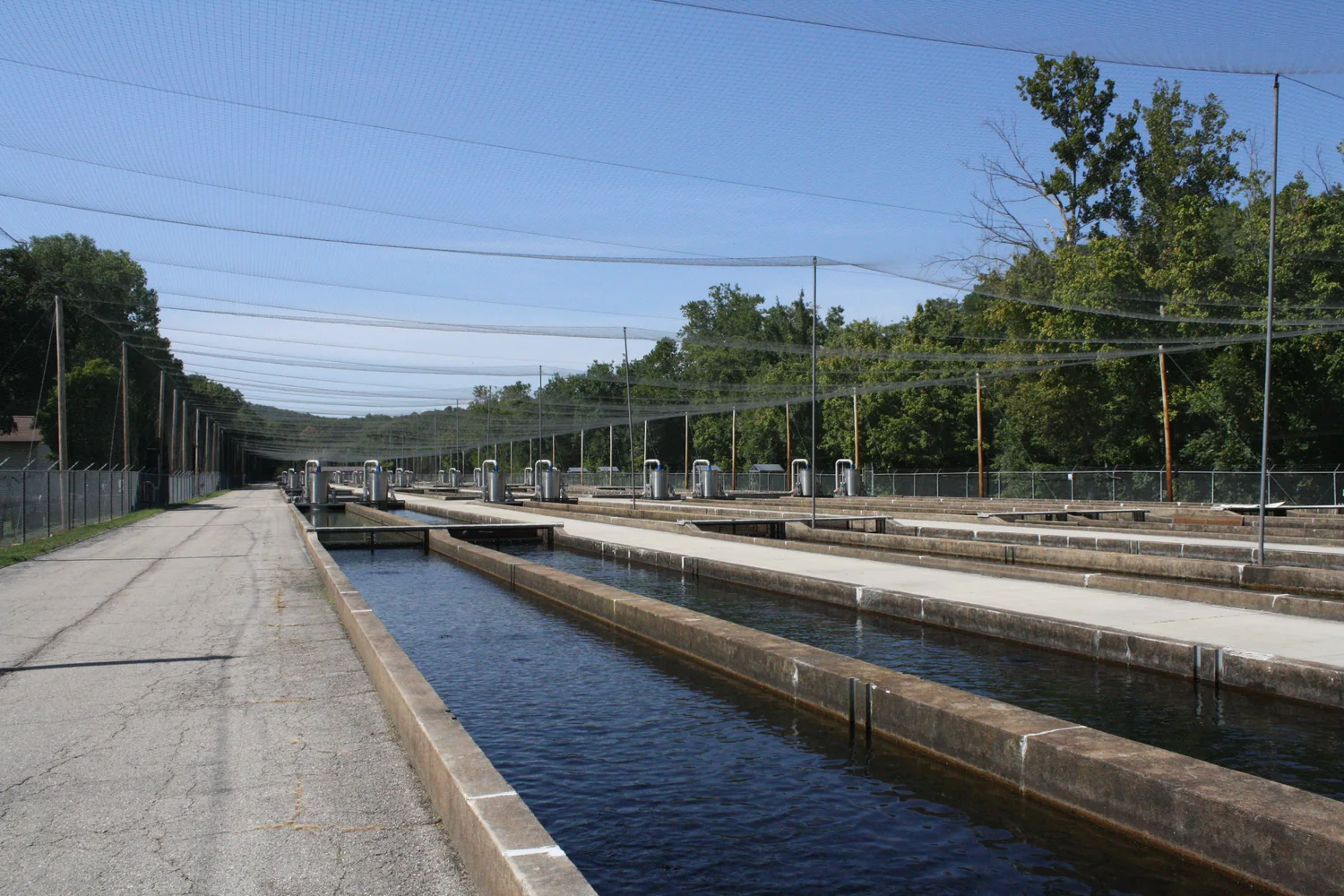
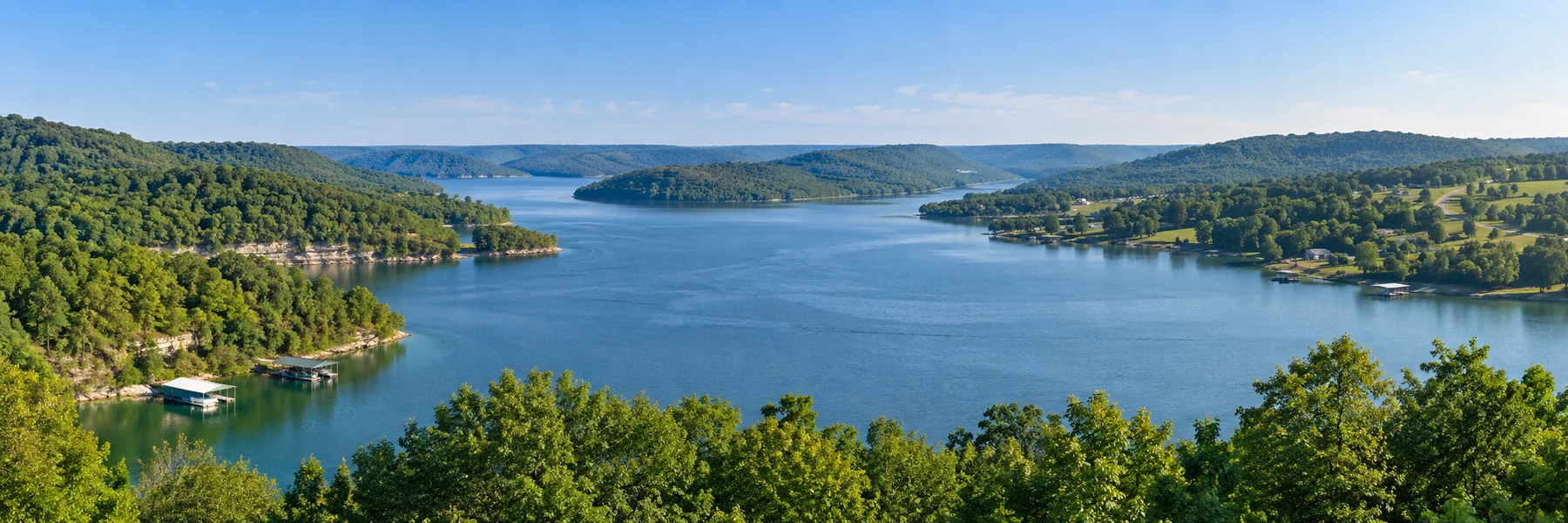
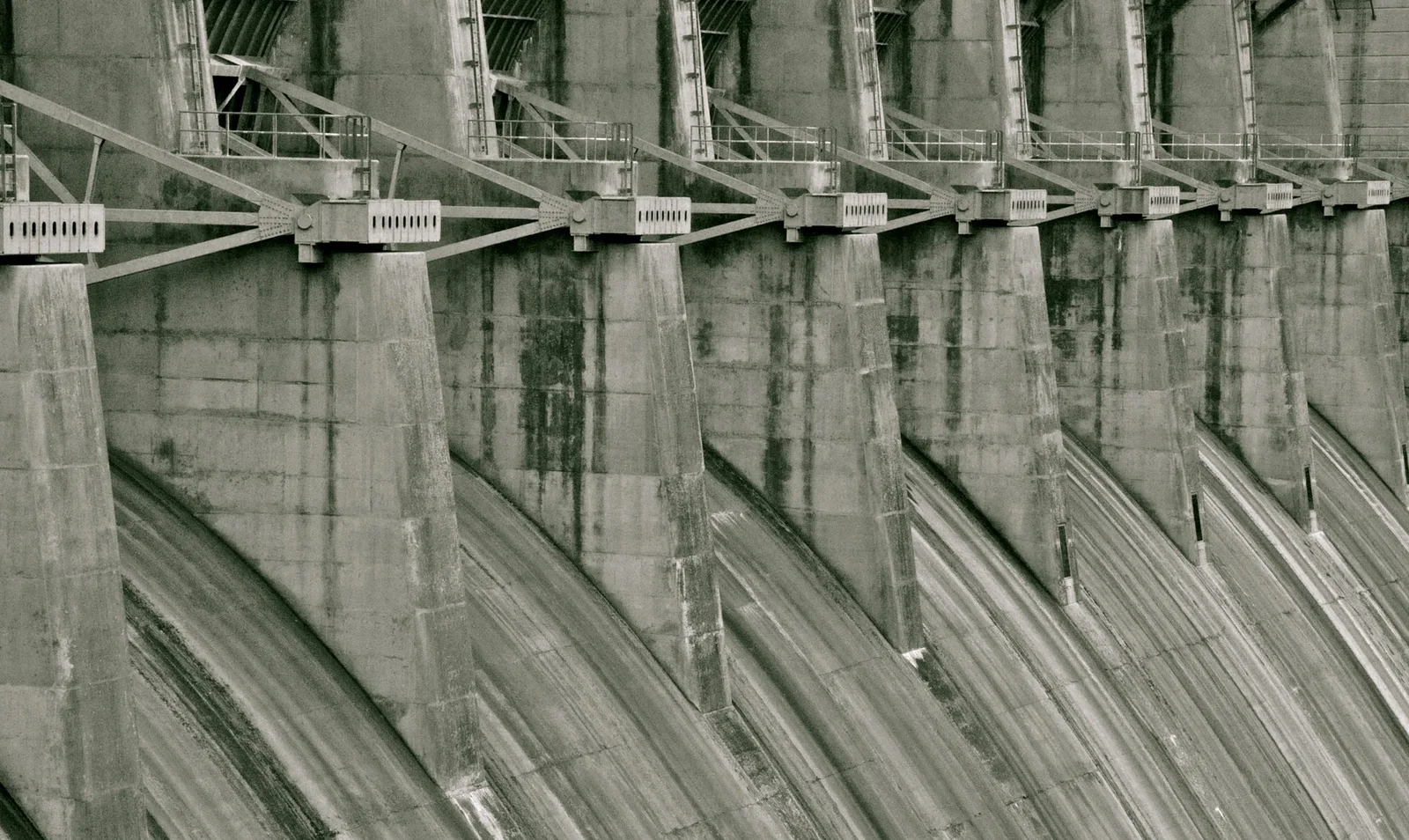
The big lakes are also immense works of engineering. At Table Rock Dam, the Dewey Short Visitor Center explains how recreation fits alongside flood management and power generation in the White River watershed. Below the dams, another fishing landscape takes shape in cold tailwaters. Norfork National Fish Hatchery raises trout for waters affected by dam construction, making it a revealing stop even for visitors who never cast a line. Lake, dam, river and hatchery belong to one connected story of people reshaping water.
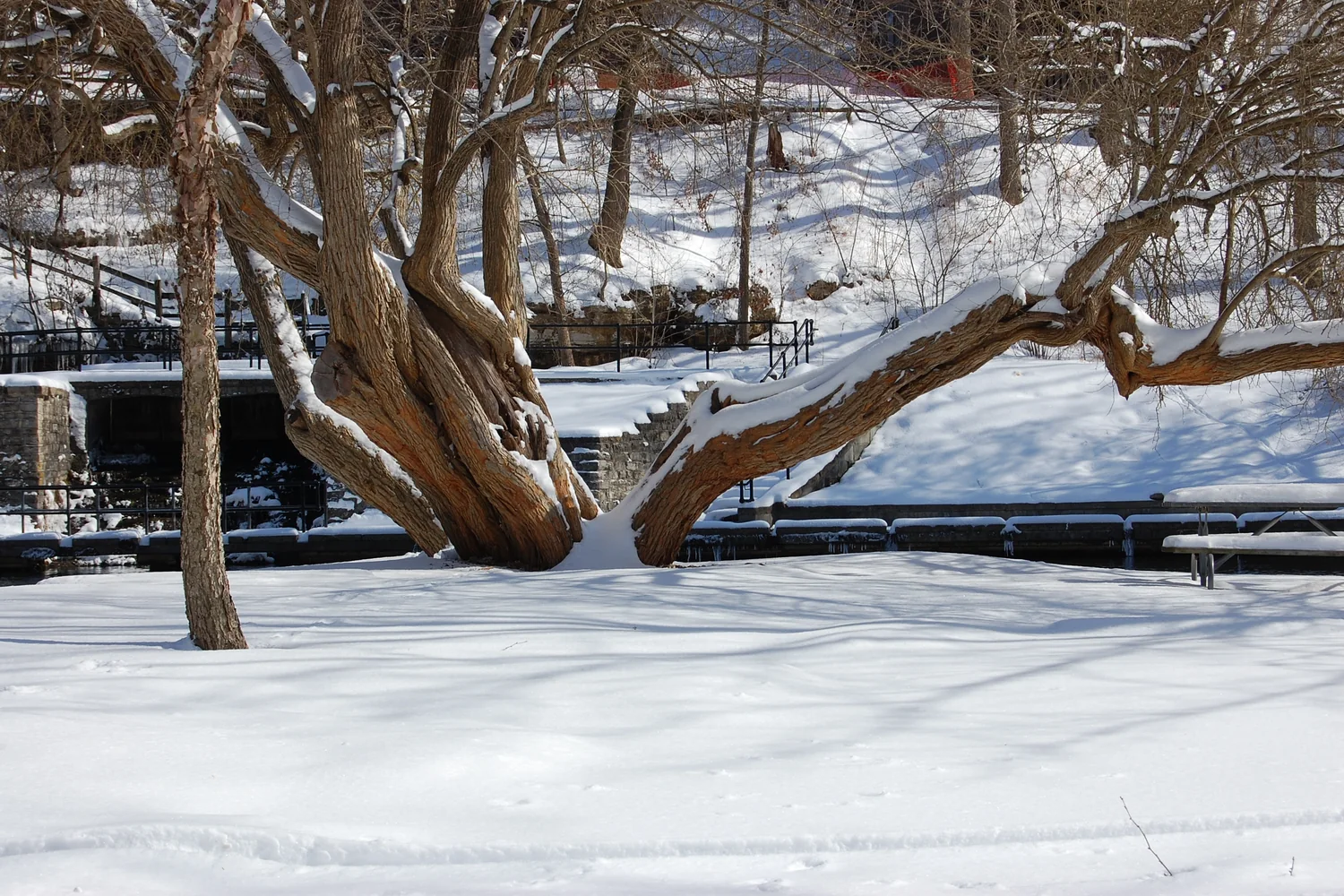
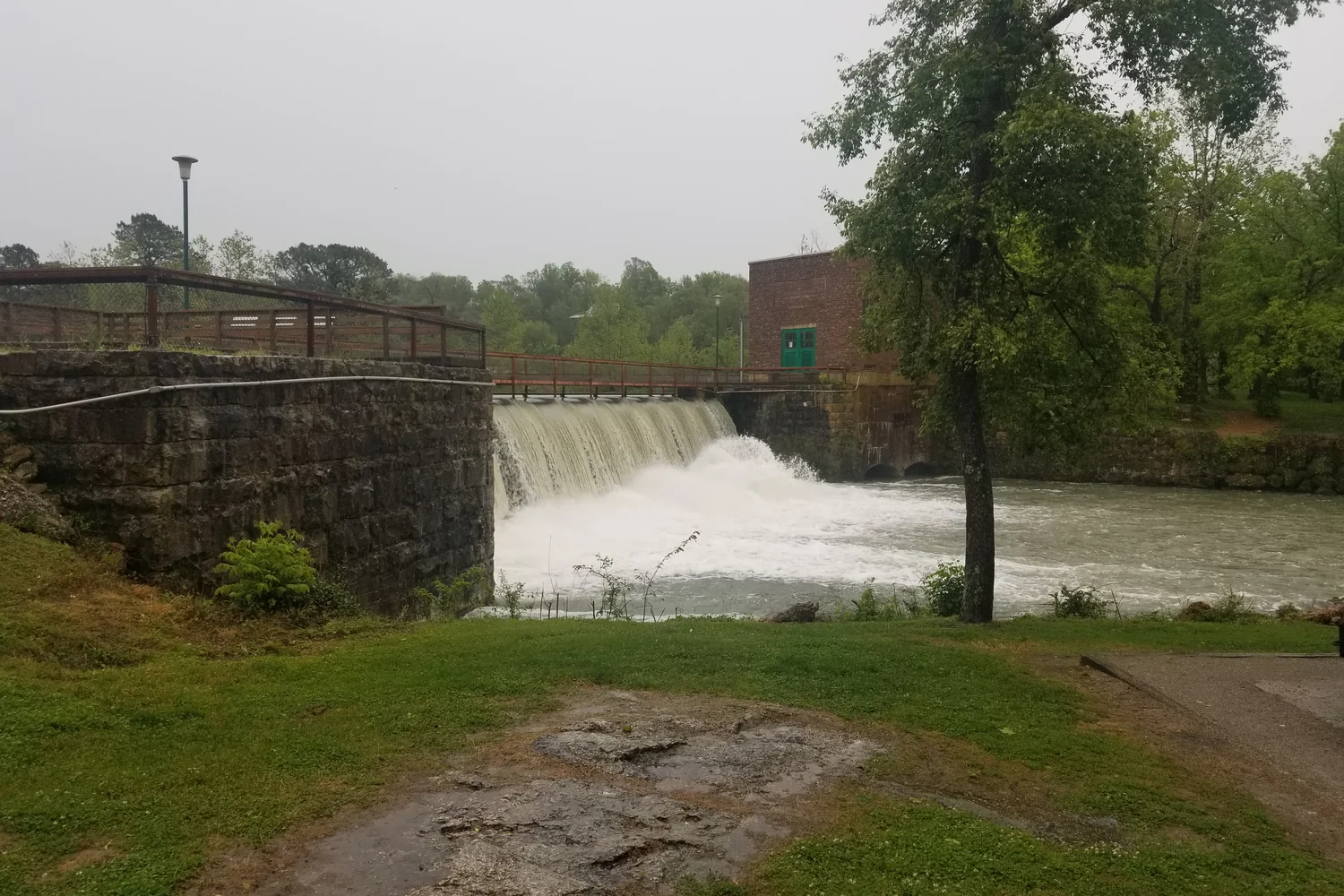
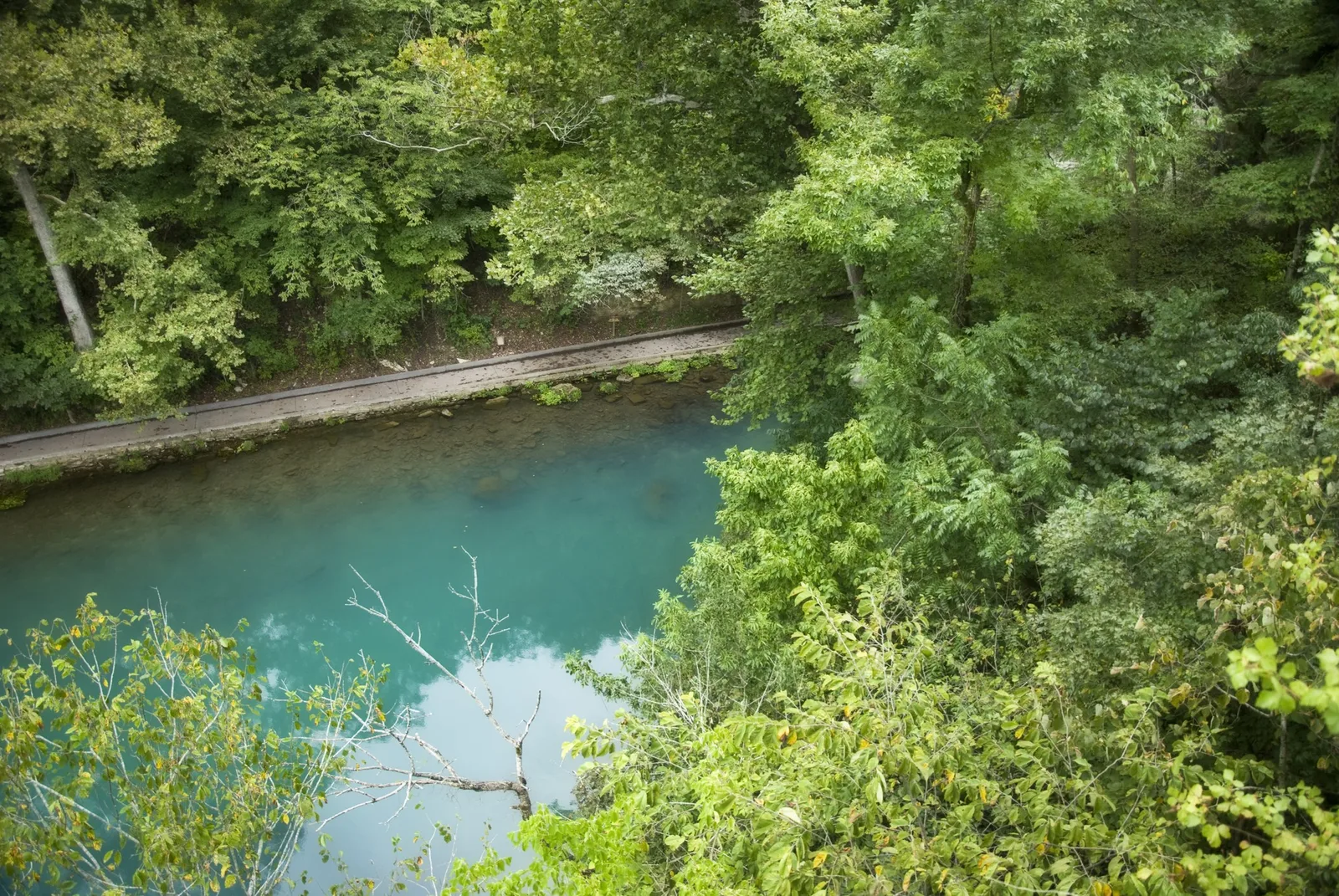
Springs provide another starting point. Roaring River State Park gathers trout fishing, wooded trails and a dramatic narrow valley into a compact Missouri destination. Farther east, Arkansas's Mammoth Spring pours into a lake before its water continues into the Spring River. A former mill site, surviving hydropower features and the restored Frisco depot show how that steady flow attracted both industry and travelers. Walk the park and the relationship becomes tangible: natural water sources helped determine where people worked, built and gathered.
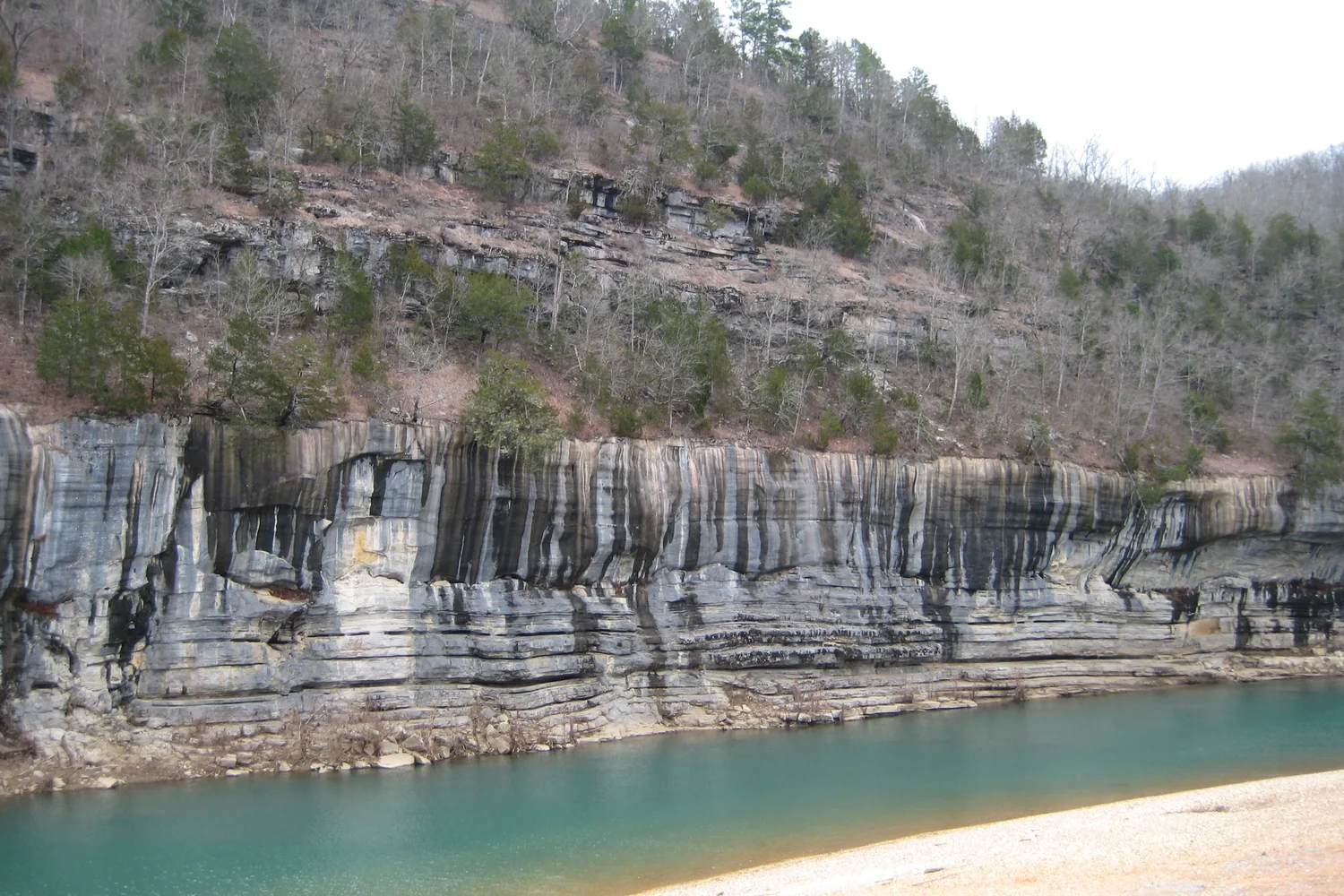
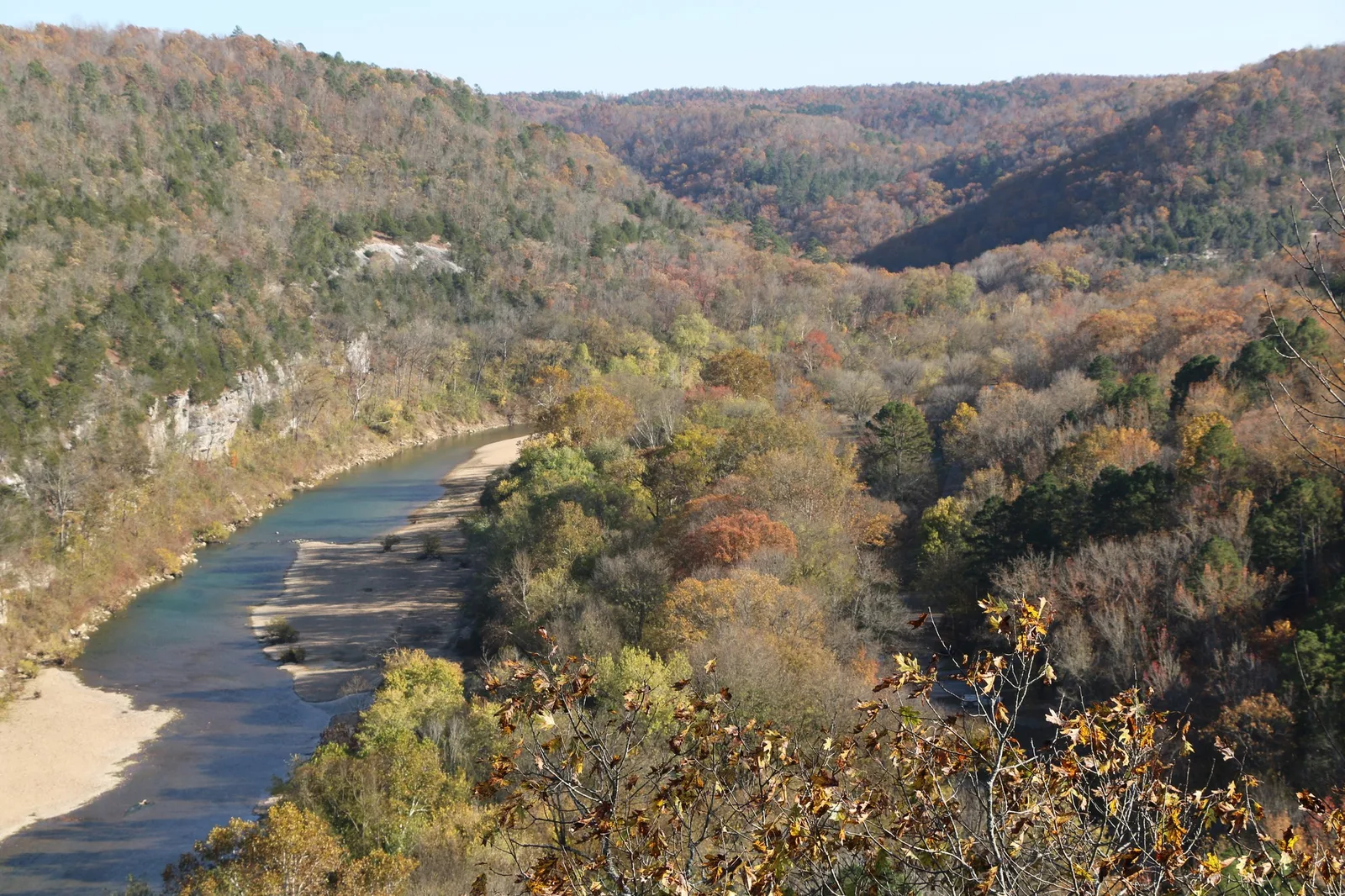
In Marion County, Buffalo Point introduces the lower reaches of Buffalo National River. Painted Bluff rises above the water, while the Overlook Trail supplies a satisfying view from the wooded slopes. Nearby Rush preserves the remains of a zinc-mining town whose fortunes climbed during World War I. Together, the river scenery and mining relics complicate any idea of an untouched landscape. This has long been a place of human ambitions as well as striking natural beauty, and both stories deserve attention.
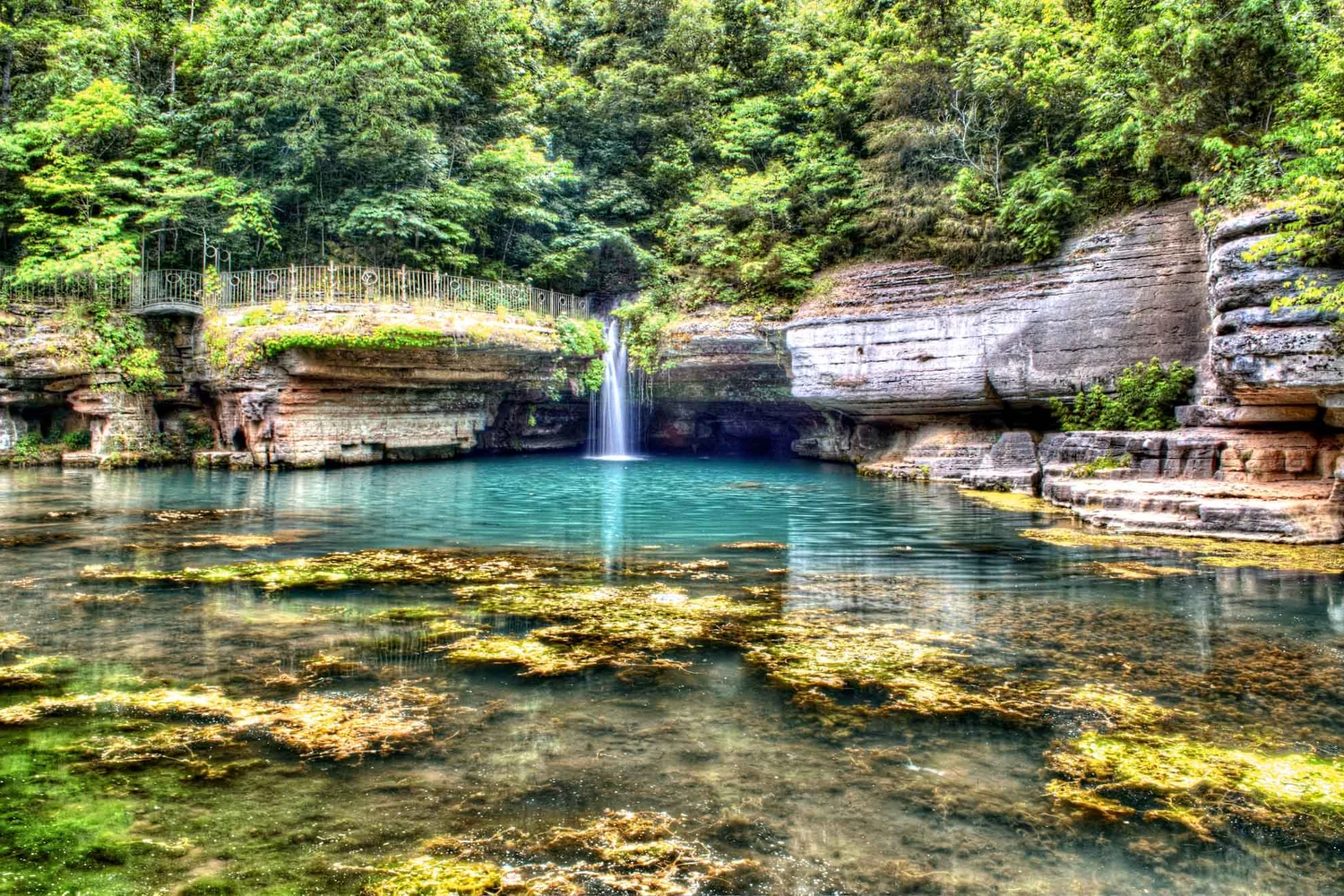
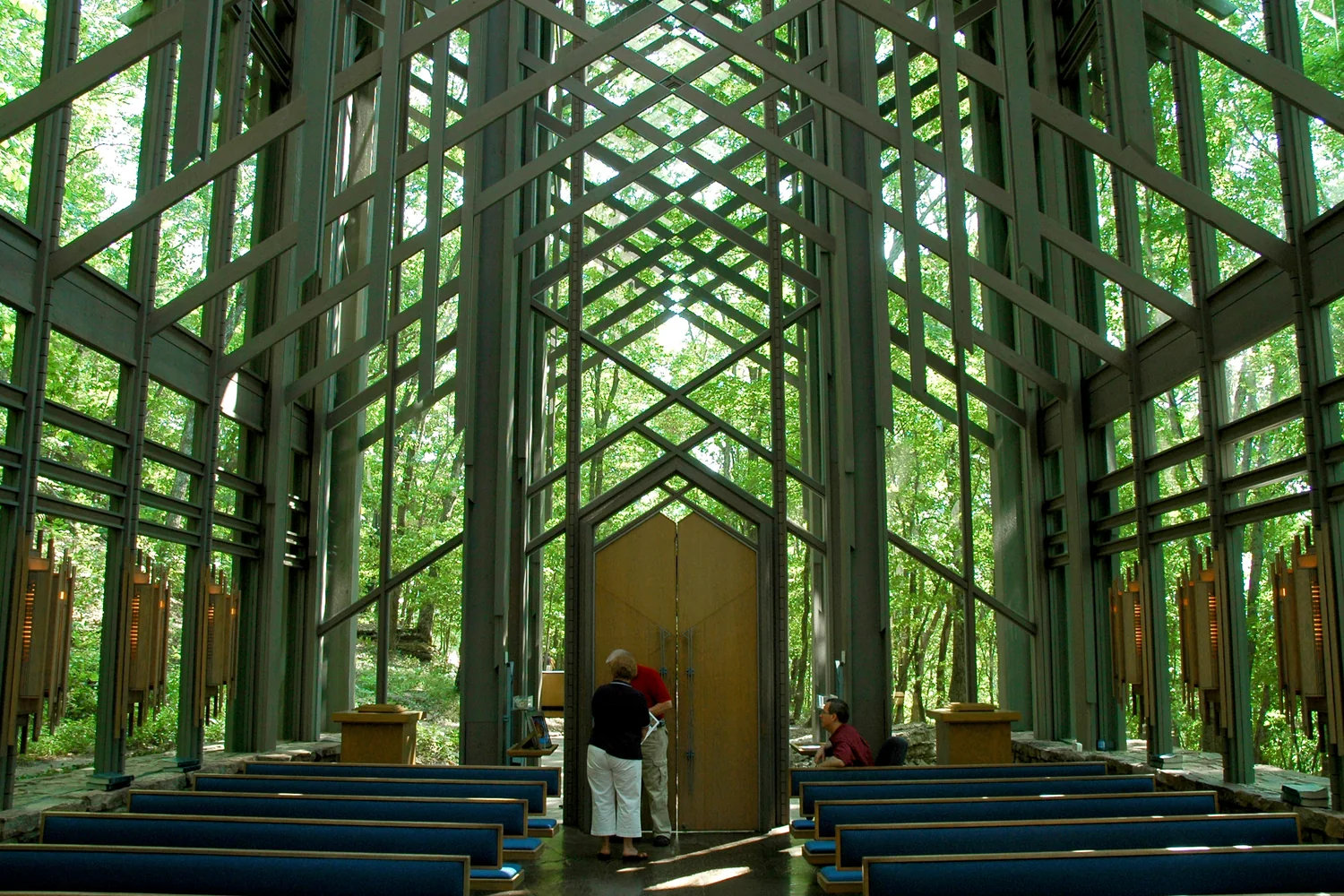
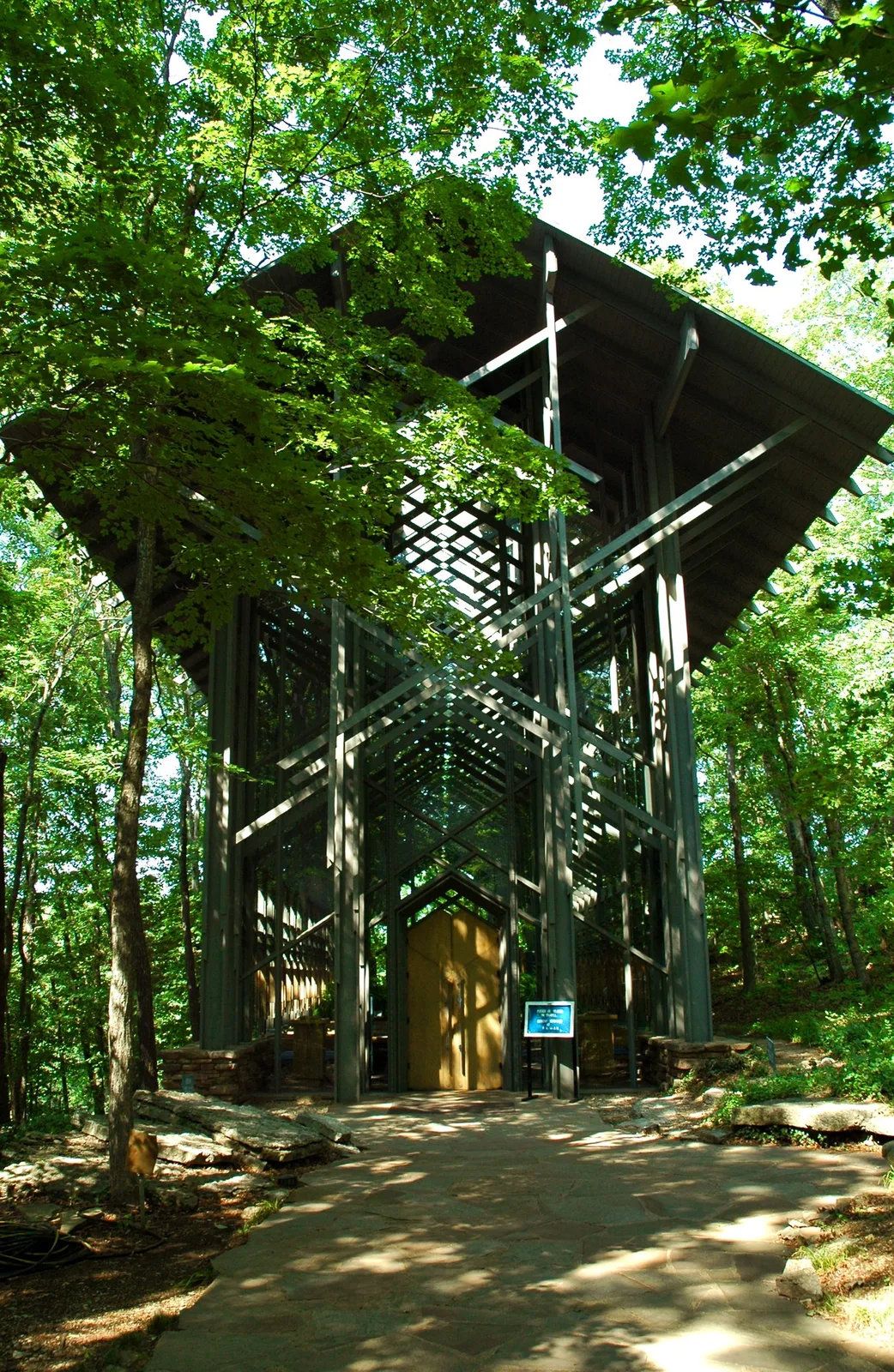
The region's relationship with nature also has an architectural side. Near Eureka Springs, E. Fay Jones's Thorncrown Chapel uses glass and a slender structural rhythm to bring the surrounding woods into the experience of the building. At Dogwood Canyon, near Lampe, trails, bridges and guided outings invite visitors into a carefully tended creek landscape. These are different kinds of encounters, one quiet and contemplative, the other active and expansive. Each shows how design can shape the way people notice their surroundings.
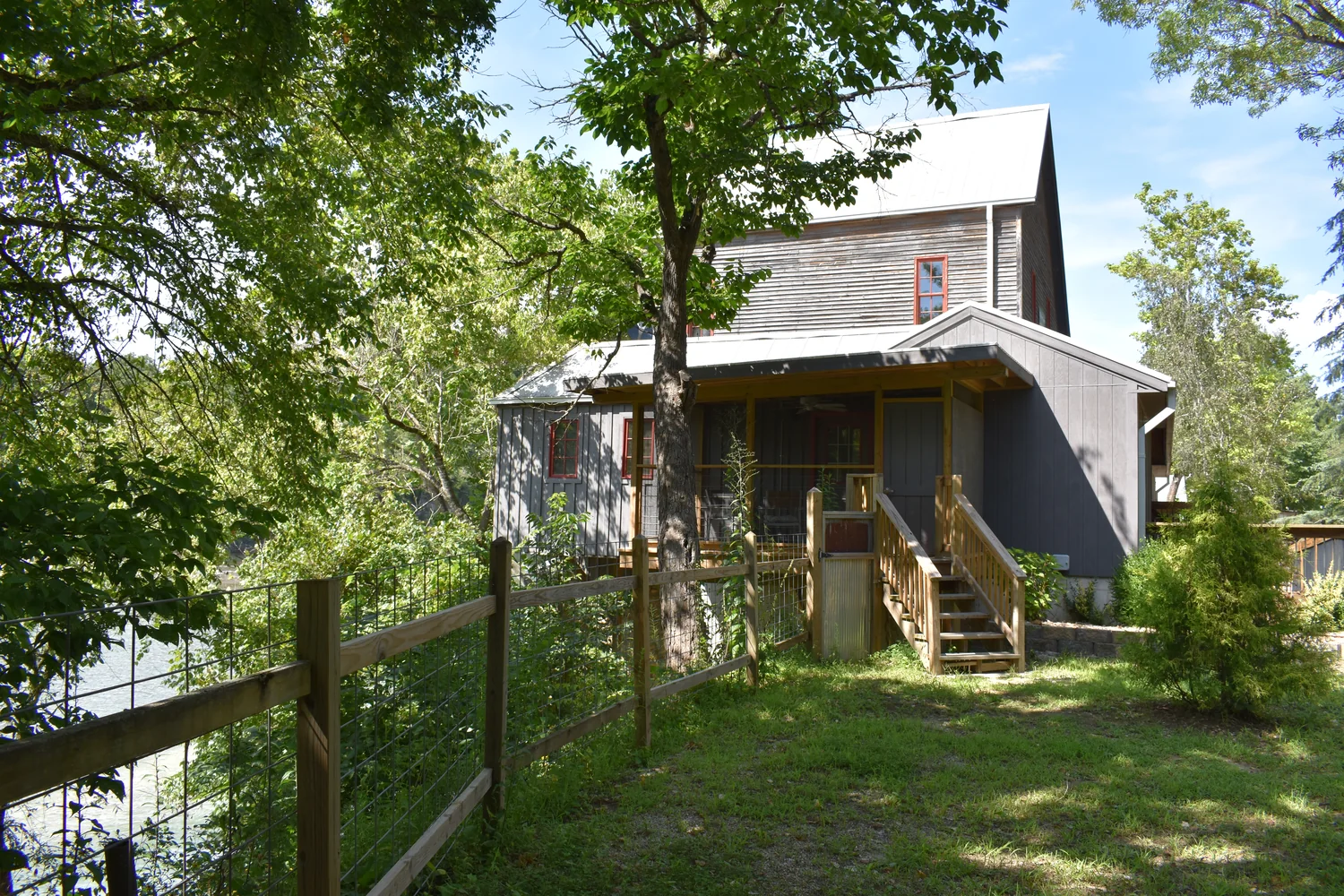
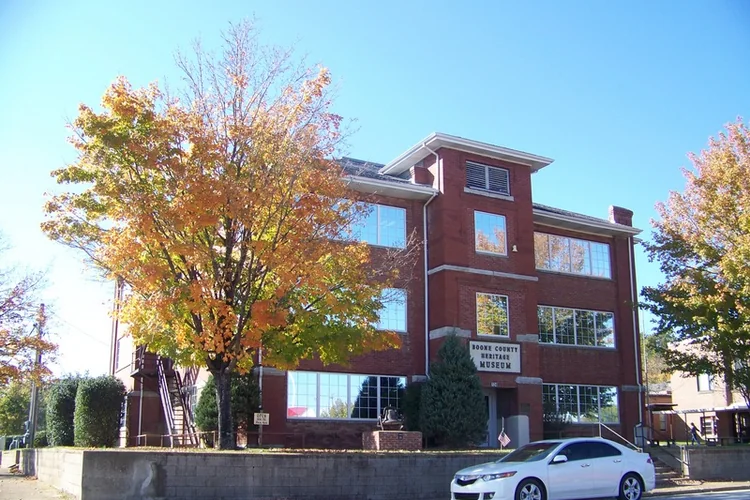
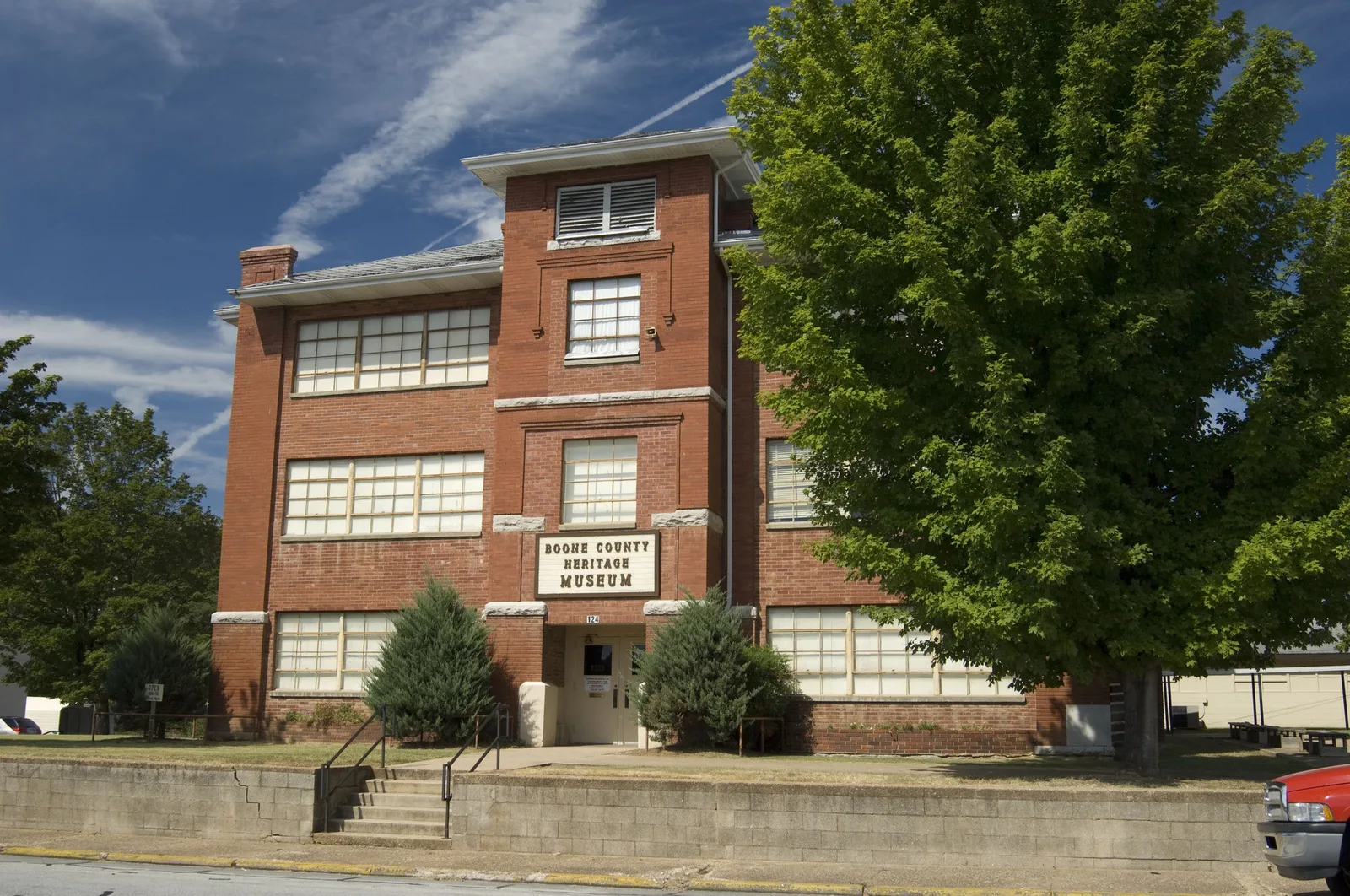
Small-town history gives the lake country further texture. Harrison's Boone County Heritage Museum preserves local stories, including the importance of the Missouri and North Arkansas Railroad. On the North Fork River in Missouri, Dawt Mill recalls a time when farmers traveled by wagon to have grain ground and cotton processed. Shops and a post office grew around that busy meeting place. Its present-day riverside resort continues the habit of gathering people, even though float trips and vacations have replaced the wait for a turn at the mill.
Choose a part of the Ozark Lakes and let it unfold rather than treating all nine counties as a single day's drive. A Table Rock stay can combine lakeside walking with architecture and a spring valley; the Bull Shoals and Norfork area opens routes toward hatchery exhibits, river recreation and local history. Add time for a town meal and an unhurried overlook. The most memorable visit connects the expansive view across the water with the smaller stories waiting close to shore.